Scoliosis Treatment in NYC
Scoliosis is a medical term used to describe abnormal spinal curvatures. This condition most often begins in early childhood and is relatively rare. In fact, only about 5 out of every 1,000 American children develop spinal curvature significant enough to require professional scoliosis treatment NYC. Overall, scoliosis affects approximately 1 percent of the world’s population.
In a healthy spine, the spinal column grows in a straight line from the neck down to the tailbone. In children with scoliosis, the spine develops an abnormal sideways curve, bending either to the left or right instead of remaining straight. If scoliosis is left untreated, it may later contribute to chronic pain, spinal deformity, poor posture, and in more advanced cases, heart, lung, or gastrointestinal complications.
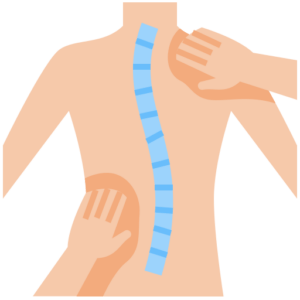
How Scoliosis Affects the Spine?
A curved spine does not develop the normal front-to-back arches needed to properly distribute body weight. As a result, excessive stress is placed on the vertebral discs. When a disc or vertebra shifts out of position, the spine may begin to follow that misalignment, leading to progressive curvature over time.
In cases of severe scoliosis, these abnormal curves can become more pronounced, affecting posture, balance, and overall spinal stability.
Common Causes of Scoliosis
There are several factors that may contribute to scoliosis NYC development. In some cases, spinal misalignment—also known as subluxation—can occur due to birth-related factors or daily activities. Scoliosis may also be inherited and associated with conditions such as a short leg, pelvic distortion, or uneven muscle development.
Certain early childhood illnesses have been linked as possible contributors, and some theories suggest that forcing children to walk too early, before the spine is fully developed, may increase the risk of spinal curvature.
Recognising the Signs of Scoliosis Early
Scoliosis rarely presents with noticeable pain, especially in children. Many children with curved spines do not complain of discomfort, which is why early screening and professional evaluation are essential. If scoliosis is suspected, timely diagnosis allows for appropriate scoliosis treatment NYC before the curvature worsens.
Chiropractic Care and Scoliosis Treatment
Chiropractic care, including spinal manipulation and alignment techniques, can be an effective approach to managing scoliosis. Chiropractic scoliosis treatment NYC focuses on improving spinal balance, reducing abnormal stress on the vertebrae, and helping to slow or prevent further curvature progression.
In some cases, chiropractic care may be combined with lightweight, modern back braces to support spinal alignment and encourage proper posture. Only about 10 percent of individuals with scoliosis eventually require surgical intervention, making conservative care an important first step for many patients.
The Role of Scoliosis Exercises
Targeted scoliosis exercises are often recommended as part of a comprehensive care plan. These exercises are designed to strengthen supportive muscles, improve posture, and enhance spinal flexibility. When combined with chiropractic care, scoliosis exercises can help patients maintain better alignment and reduce discomfort over time.
Managing Severe Scoliosis Without Surgery
Even in cases of severe scoliosis, non-surgical approaches may help manage symptoms and improve function. Chiropractic care, exercise-based rehabilitation, and postural correction can play an important role in reducing pain and improving quality of life.
Frequently Asked Questions
Scoliosis is a medical condition where the spine curves abnormally to the side instead of forming a straight line from the neck down to the tailbone. This sideways curvature can appear as an “S” or “C” shape when viewed from behind. It most commonly develops in childhood, but it can also appear in adults due to spinal degeneration or injury.
There are several types of scoliosis, including:
- Idiopathic scoliosis: The most common form, often developing during childhood or adolescence with no known cause.
- Congenital scoliosis: Present at birth due to spinal malformations.
- Neuromuscular scoliosis: Caused by disorders such as cerebral palsy or muscular dystrophy.
Degenerative (adult) scoliosis: Develops later in life due to wear and tear on the spine or poor posture.
Scoliosis can result from several factors, including genetics, leg length differences, pelvic distortion, or spinal subluxations (misaligned vertebrae). Sometimes, it’s linked to early childhood diseases or premature walking before the spine fully develops. While scoliosis itself cannot always be prevented, early detection and proper chiropractic care can prevent it from worsening.
In many cases, scoliosis develops without pain or noticeable symptoms. However, warning signs may include uneven shoulders or hips, one shoulder blade sticking out more than the other, or the body leaning to one side. Severe cases can eventually cause back pain, breathing problems, or poor posture if left untreated.
A chiropractor or physician typically diagnoses scoliosis through a physical examination and imaging tests. During the exam, your spine is observed for curvature and uneven alignment. X-rays are often used to confirm the degree of spinal curvature and determine the best course of treatment.
Most scoliosis cases can be managed non-surgically. Chiropractic care, including spinal manipulation, helps realign the vertebrae and improve spinal balance. Back braces—now lightweight and more comfortable—may also assist in preventing further curvature. In many cases, consistent chiropractic treatments can stop or even reverse spinal distortion.
Only about 10% of scoliosis cases require surgery. Surgery is typically considered when spinal curvature is severe, progressive, or causing functional problems such as breathing issues or chronic pain that doesn’t respond to conservative treatment.
Yes, adults can develop scoliosis, often due to degenerative spinal changes or injury. Chiropractic adjustments, therapeutic exercises, and postural correction can effectively manage symptoms, improve flexibility, and prevent further spinal deterioration.
Chiropractic care focuses on correcting spinal misalignments, improving mobility, and restoring balance to the body. Regular spinal adjustments and targeted exercises can reduce muscle tension, improve posture, and slow down curvature progression. These non-invasive treatments can also enhance comfort and quality of life without surgery.
Maintaining good posture, exercising regularly, avoiding carrying heavy bags on one side, and getting routine chiropractic checkups can all help manage scoliosis. Strengthening your core and practising gentle stretching exercises can also reduce discomfort and support spinal alignment.